
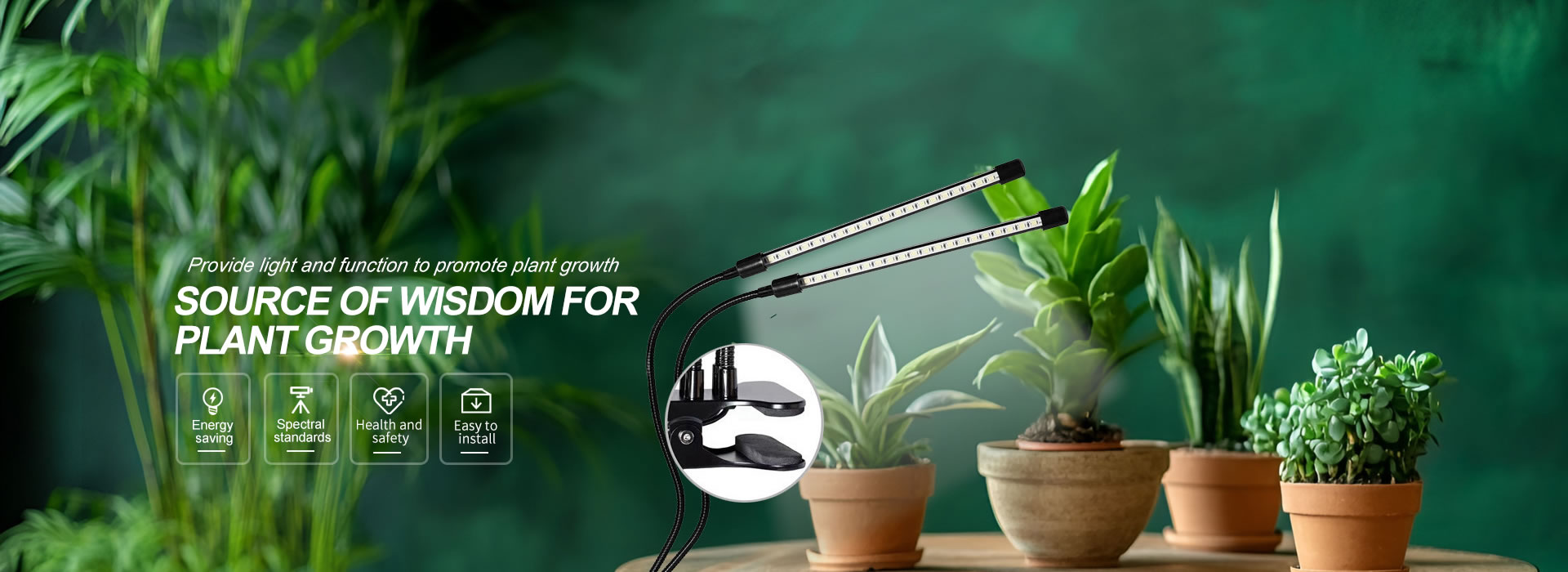
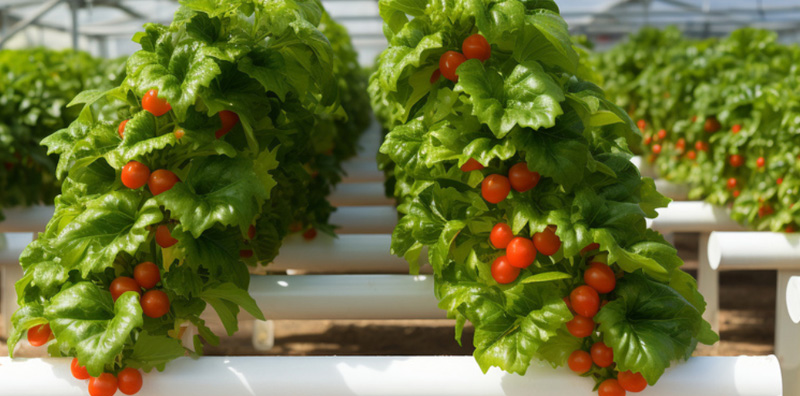
Greenhouse plant fill lights, an innovative product in modern agricultural technology, are gradually becoming an indispensable tool for greenhouse cultivation. It not only helps plants maintain normal growth in low light environments, but also significantly improves crop yield and quality. So, how much do you know about greenhouse plant fill lights
Firstly, we need to understand the basic principles of fill lights. Plant fill light is a type of lighting fixture that uses light instead of sunlight to provide the light source needed for plant growth and development, based on the principle that plants use sunlight for photosynthesis. The wavelength of light required for plant photosynthesis is mainly around 400-700nm, among which blue light (wavelength between 420-510nm) helps with plant photosynthesis, promoting green leaf growth, protein synthesis, and fruit formation; Yellow light (wavelength between 500-585nm) can promote the growth of plant roots and early germination; Red light (wavelength between 600-720nm) is beneficial for the growth of plant roots and stems, flowering and fruiting, and prolonging the flowering period, playing a role in increasing yield. Therefore, plant fill lights provide the necessary light source for photosynthesis by simulating these specific wavelengths of light
There are various types of greenhouse plant fill lights, ranging from traditional fluorescent lamps, high-pressure sodium lamps to modern LED lamps, each with its unique advantages and applicable scenarios. Among them, LED fill lights have gradually become the mainstream choice in the market due to their high efficiency, energy saving, adjustable spectrum, and long service life. LED fill lights can adjust the ratio of red to blue light according to different growth stages and needs of plants, thus accurately meeting the growth needs of plants. In addition, some high-end LED fill lights can simulate the color temperature changes of sunlight at different time periods, allowing plants to absorb more comprehensive light during the fill process, which is beneficial for plant growth and quality improvement
When using greenhouse plant fill lights, we need to pay attention to some key usage techniques. Firstly, the effective illumination radius of the fill light is usually around 2 meters, and the hanging height should be 1.5-2.5 meters above the ground and at least 1 meter away from the crop growth point. This ensures that the plants receive sufficient light while avoiding burns caused by excessive light. Secondly, according to the type and growth stage of crops, arrange the supplementary lighting time reasonably. Generally speaking, the distance between each lamp for fruits and vegetables is about 3 meters, and for leafy vegetables it is about 4 meters. In cloudy or low light conditions, it is necessary to supplement light throughout the day; On sunny days, you can add 2-4 hours of light each in the morning and afternoon to ensure a total daylight duration of around 10-12 hours. In addition, the effectiveness of using fill lights is also affected by factors such as greenhouse temperature, soil temperature and humidity, and fertility. Therefore, while using fill lights, it is also necessary to do a good job in lighting and insulation, soil management, etc. in the greenhouse to fully utilize the effect of fill lights
Follow Us



Mobile website